
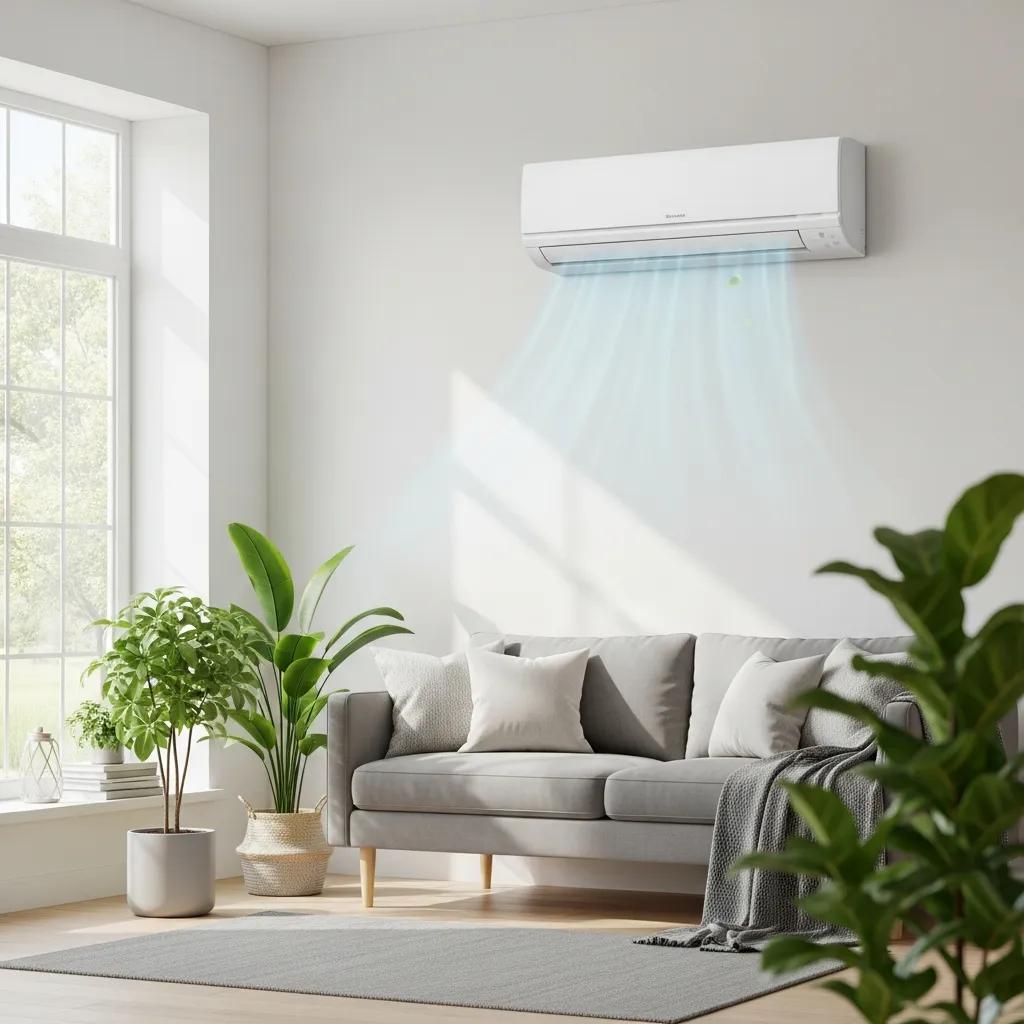
Your Complete Guide to Air Conditioning Systems: Understanding Types, Efficiency, and Maintenance for Optimal Home Cooling
At Burkett’s Heating & Cooling, we understand how essential air conditioning systems are for maintaining comfort in homes and businesses, especially during hot summer months. Our systems not only cool the air but also help regulate humidity and improve indoor air quality. In this comprehensive guide, we will walk you through the various types of air conditioning systems, their efficiency ratings, and the importance of regular maintenance. By understanding these aspects, you can make informed decisions about your cooling needs and ensure optimal performance from your system. We also highlight signs that indicate your air conditioner may need repair or replacement, the benefits of energy-efficient systems, and how regular HVAC maintenance can extend the lifespan of your unit. Additionally, we provide insights into financing options available for upgrading or repairing your air conditioning system.
This article is designed to be practical and actionable: whether you are researching a first-time installation or evaluating an older system for replacement, our guidance will help you compare options, prioritize maintenance tasks, and communicate effectively with our HVAC professionals. Whenever specific technical steps are recommended, we advise consulting a licensed technician for diagnostics, sizing, and any work that requires refrigerant handling or electrical service.
What Are the Different Types of Air Conditioning Systems?
Air conditioning systems come in various types, each designed to meet specific cooling needs. The most common types include central air conditioning systems, ductless systems, and mini-split systems. Each type has its own set of benefits and considerations, making it essential to choose the right one for your home or business.
When deciding between system types, consider factors such as the size and layout of your home, whether ductwork already exists, energy goals, installation disruption, and long-term maintenance. Matching the system to the building and occupant patterns will deliver the best comfort and efficiency.
How Do Central Air Conditioning Systems Work?
Central air conditioning systems operate by circulating cool air through a network of ducts that distribute the air throughout the home. These systems consist of several key components, including a compressor, evaporator coil, and condenser. The compressor pumps refrigerant through the system, absorbing heat from the indoor air and releasing it outside. This process not only cools the air but also helps maintain consistent temperatures throughout the space. Central systems are known for their efficiency and ability to cool large areas effectively.
Central systems are typically selected for houses with existing ductwork because they provide whole-home climate control from a single outdoor unit and an indoor air handler. Proper sizing is important: an oversized unit can short-cycle and reduce dehumidification, while an undersized unit may run continuously without reaching set temperatures. At Burkett’s Heating & Cooling, we perform professional load calculations to ensure the right capacity for your home.
What Are the Benefits of Ductless and Mini-Split AC Systems?
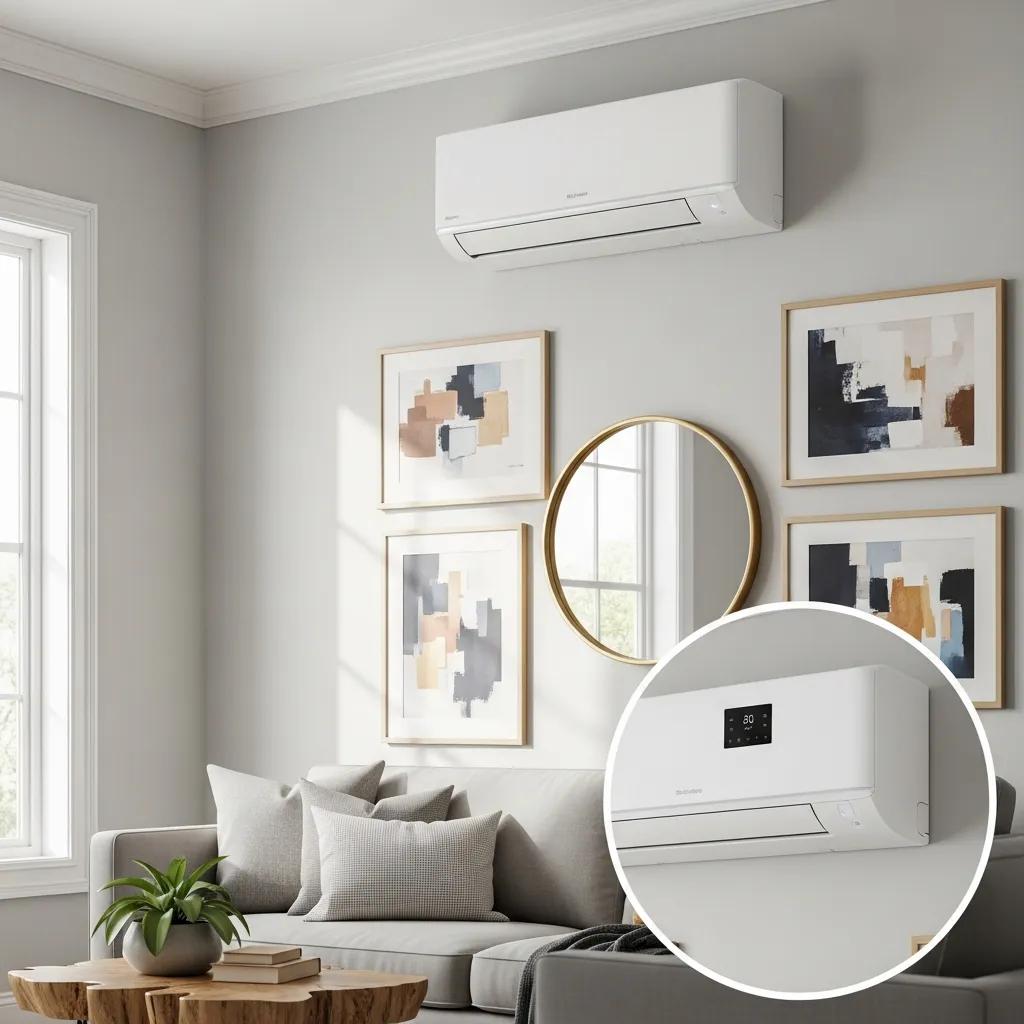
Ductless and mini-split AC systems offer several advantages, particularly for homes without existing ductwork. These systems provide zoned cooling, allowing you to control the temperature in individual rooms or areas. This flexibility can lead to significant energy savings, as you can cool only the spaces that are in use. Additionally, ductless systems are easier to install and often have higher energy efficiency ratings compared to traditional central systems. Their compact design also makes them a great option for smaller spaces.
Beyond installation and zoned control, mini-splits can be paired with a variety of indoor unit styles—wall-mounted, ceiling cassette, or floor models—making them adaptable to many room layouts. They are often used to supplement central systems in retrofit situations, to cool additions, or to serve rooms that are difficult to reach with ductwork. Maintenance remains straightforward: regular filter cleaning, periodic professional checkups, and keeping outdoor units clear of debris will preserve performance.
How Do Air Conditioning Systems Operate to Cool Your Home?
Understanding how air conditioning systems operate is crucial for maximizing their efficiency and effectiveness. The cooling process involves several steps, including the circulation of refrigerant and the exchange of heat.
Knowing the basic flow of air and refrigerant through the system can help you identify where a problem may be occurring and communicate more clearly with our service personnel. For example, airflow problems, refrigerant imbalances, or electrical faults present in different parts of the system and produce different symptoms.
What Is the Cooling Process Inside an Air Conditioner?
The cooling process begins when warm air from the home is drawn into the air conditioning unit. The refrigerant inside the evaporator coil absorbs this heat, causing the refrigerant to evaporate and cool the air. The cooled air is then blown back into the home, while the heat absorbed by the refrigerant is expelled outside through the condenser. This continuous cycle effectively lowers the indoor temperature and maintains a comfortable environment.
Airflow and heat transfer are both essential to efficient operation. Restricted airflow due to dirty filters, closed vents, or blocked returns reduces the unit’s ability to move heat and can increase operating time. Similarly, obstructed outdoor units or degraded coils reduce heat rejection and strain the compressor. Routine cleaning and ensuring adequate clearance around equipment are simple steps we recommend to preserve system efficiency.
Which Components Are Essential for Efficient AC Operation?
Several components are essential for the efficient operation of an air conditioning system. These include the compressor, evaporator coil, condenser, and expansion valve. Each component plays a critical role in the cooling process, and regular maintenance of these parts is necessary to ensure optimal performance. For instance, a dirty evaporator coil can hinder heat absorption, leading to reduced efficiency and higher energy costs.
Other supporting items to monitor include air filters, blower motors, thermostat sensors, ductwork seals, and condensate drains. Small problems in these areas—such as a clogged drain line or a failing motor capacitor—can cascade into larger failures or poor performance. At Burkett’s Heating & Cooling, our routine inspections check electrical connections, refrigerant pressure, and component condition to catch issues early.
What Are the Signs Your Air Conditioner Needs Repair or Replacement?
Recognizing the signs that your air conditioner may need repair or replacement is vital for maintaining comfort and efficiency. Common indicators include unusual noises, insufficient cooling, and increased energy bills.
Spotting problems early limits the chance of total system failure during peak demand. Pay particular attention to changes in performance, unusual odors, or persistent moisture where it should not be present. When in doubt, schedule a professional evaluation with Burkett’s Heating & Cooling to prevent compounding damage.
How to Identify Common AC Problems Early?
Early detection of AC problems can save you time and money. Some common signs to watch for include:
- Insufficient Cooling: If your air conditioner is not cooling your home effectively, it may indicate a refrigerant leak or a malfunctioning compressor. Addressing these issues promptly can prevent further damage and restore comfort quickly.
- Unusual Noises: Strange sounds, such as grinding or squealing, can signal mechanical issues that require immediate attention. Ignoring these noises can lead to more extensive repairs down the line.
- Increased Energy Bills: A sudden spike in your energy bills may suggest that your AC system is working harder than usual, possibly due to inefficiencies or wear and tear. Monitoring your bills and system performance helps us identify when service is needed.
Additional early-warning signs include frequent short cycling (the unit turns on and off too quickly), visible ice on coils or refrigerant lines, and persistent humidity or poor dehumidification. These symptoms can indicate airflow restrictions, low refrigerant, or failing compressors—conditions that benefit from timely diagnosis by our technicians.
When Is It Time to Replace Your Air Conditioning System?
Knowing when to replace your air conditioning system can prevent costly repairs and ensure reliable cooling. Consider replacing your unit if:
- Age of the Unit: Most air conditioners have a lifespan of 10-15 years. If your system is approaching this age, it may be time to consider a replacement to avoid unexpected breakdowns.
- Cost of Repairs vs. Replacement: If repair costs become a significant portion of the price of a new unit, replacement is often the more economical choice. We help you evaluate these costs to make the best decision.
- Efficiency Considerations: Older units may not meet current energy efficiency standards, leading to higher operating costs. Upgrading to a modern, efficient system can reduce your energy bills and environmental impact.
Other factors that may tip the decision toward replacement include repeated breakdowns, diminished comfort even after repairs, and plans to make home improvements that change load requirements. When replacing, we recommend choosing a properly sized and efficient system and investing in appropriate controls and duct improvements to maximize long-term savings.
Why Choose Energy Efficient Cooling Systems?
Energy-efficient cooling systems offer numerous benefits, including lower energy bills and reduced environmental impact. These systems are designed to use less energy while providing the same level of comfort.
Beyond cost savings, efficiency improvements often mean quieter operation, better humidity control, and more precise temperature management. For homeowners concerned with sustainability, energy-efficient equipment reduces greenhouse gas emissions associated with electricity use.
How Do Energy Efficient AC Units Reduce Your Energy Bills?
Energy-efficient AC units are equipped with advanced technology that optimizes their performance. Features such as variable-speed compressors and smart thermostats allow these systems to adjust their operation based on the cooling demand. This adaptability can lead to significant savings on energy bills, especially during peak usage times.
Smart thermostats and zoning controls let you program schedules and temperature setpoints that match occupancy patterns, which avoids wasting energy on empty rooms. Paired with good insulation and shading strategies, these measures compound savings and improve overall comfort. At Burkett’s Heating & Cooling, we can help you select and install these advanced systems to maximize your savings.
What Are the Latest Energy Efficiency Standards and Certifications?
Current energy efficiency standards, such as SEER (Seasonal Energy Efficiency Ratio) ratings, help consumers identify high-performing air conditioning units. Systems with higher SEER ratings are generally more efficient and can lead to substantial savings over time. Additionally, certifications from organizations like ENERGY STAR indicate that a product meets strict energy efficiency guidelines.
When comparing models, look beyond the headline rating and consider system features, matched components, and installation quality. A high-efficiency unit installed incorrectly or paired with leaky ducts will deliver far less savings than expected. At Burkett’s Heating & Cooling, we ensure proper installation and provide equipment and labor warranties. We also perform thorough start-up and testing after installation to guarantee optimal performance.
How Can Regular HVAC Maintenance Improve Your Air Conditioning System?
Regular HVAC maintenance is crucial for ensuring the longevity and efficiency of your air conditioning system. A well-maintained unit operates more efficiently, reducing energy consumption and costs.
Scheduled maintenance reduces unexpected breakdowns, maintains warranty coverage in many cases, and helps identify small issues before they become major repairs. A documented maintenance history can also support resale value when selling a home.
What Does a Comprehensive AC Maintenance Plan Include?
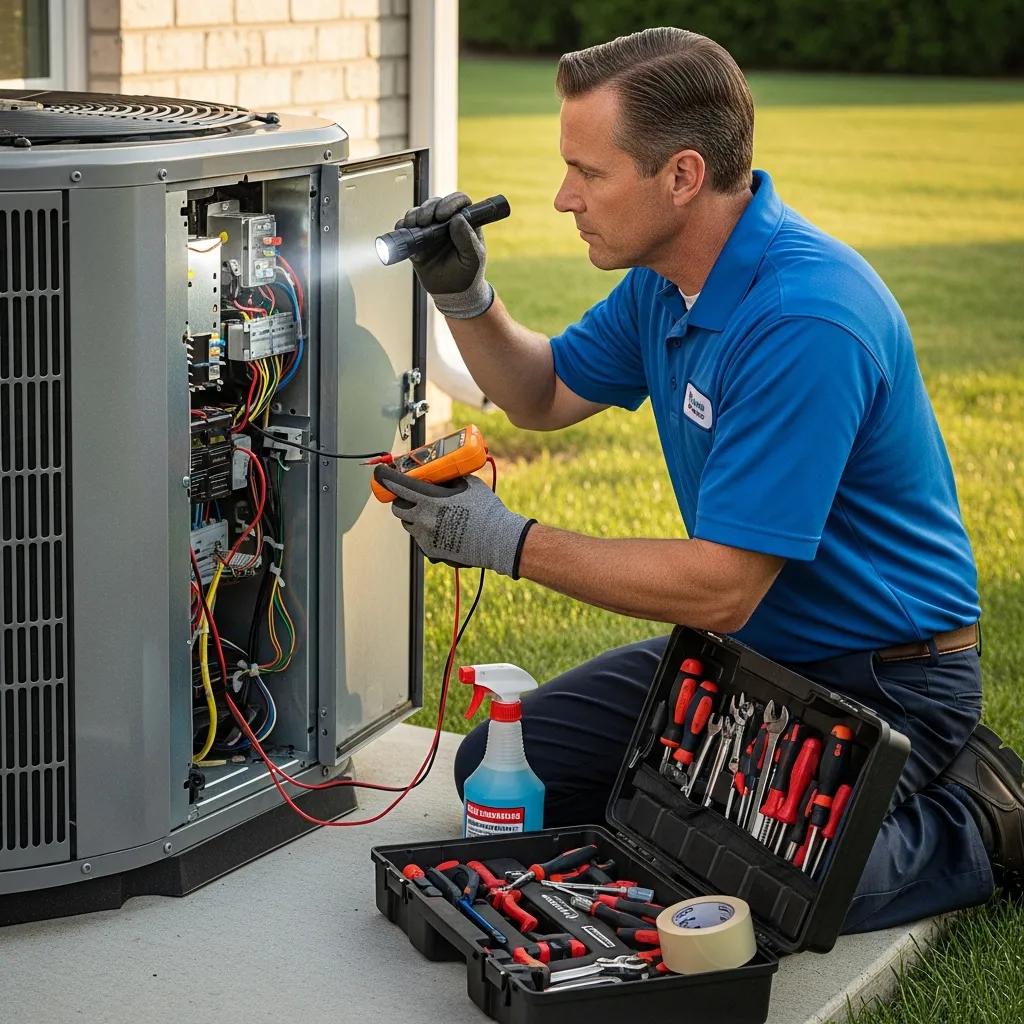
At Burkett’s Heating & Cooling, our comprehensive AC maintenance plan typically includes:
- Regular Inspections: Scheduled inspections help identify potential issues before they become major problems. Our technicians thoroughly check all system components to ensure everything is functioning properly.
- Cleaning Components: Cleaning the evaporator and condenser coils ensures optimal heat exchange and efficiency. We also clear debris from outdoor units to maintain airflow and performance.
- Refrigerant Checks: Monitoring refrigerant levels prevents leaks and maintains system performance. We verify proper refrigerant charge to avoid inefficiencies and potential damage.
In addition to these core items, our thorough plan includes checking electrical connections and contactors, testing thermostat calibration and controls, lubricating moving parts as needed, verifying airflow and duct condition, and cleaning or replacing filters. We also inspect condensate drains and pans to prevent water damage and mold growth.
For homeowners, maintaining a simple checklist—regular filter replacement or cleaning, ensuring adequate outdoor unit clearance, and observing system behavior—complements our professional service visits and helps keep the system operating as intended.
How Does Maintenance Extend Your System’s Lifespan and Reliability?
Regular maintenance can significantly extend the lifespan of your air conditioning system. By addressing minor issues promptly and ensuring all components are functioning correctly, you can avoid costly repairs and premature replacements. Additionally, a well-maintained system operates more reliably, providing consistent comfort throughout the cooling season.
Routine maintenance reduces operating stress on critical components, which slows degradation and keeps efficiency high. That translates to fewer interruptions, better humidity control, and improved comfort. We recommend scheduling maintenance seasonally so service occurs before peak cooling needs and after heavy use periods.
What Financing Options Are Available for Upgrading or Repairing Your AC System?
Upgrading or repairing your air conditioning system can be a significant investment. At Burkett’s Heating & Cooling, we offer various financing options to help homeowners manage these costs effectively.
Financing programs vary by provider and region; typical approaches include installment loans, deferred-interest promotional offers, or contractor-arranged payment plans. Some utility companies and local governments also offer incentives, rebates, or low-interest financing for energy-efficient installations—check with local providers or program administrators for current offerings.
How Does HVAC Financing Work for Homeowners in Piqua, OH?
HVAC financing typically involves loans or payment plans that allow homeowners to spread the cost of their new system over time. Local providers may offer specific financing options tailored to the needs of residents in Piqua, OH, making it easier to afford necessary upgrades or repairs.
When exploring financing, carefully review terms such as interest rate, repayment period, fees, and whether promotional offers convert to standard rates after a set period. Also confirm that financed work includes proper permits, inspections, and a clear scope of work so the investment provides lasting value. Our team at Burkett’s Heating & Cooling is here to guide you through this process.
What Are the Benefits of Flexible Payment Plans?
Flexible payment plans provide several advantages, including:
- Affordability of Upgrades: Homeowners can invest in energy-efficient systems without the burden of upfront costs. This makes it easier to choose higher-quality equipment that saves money over time.
- Budgeting Benefits: Monthly payments can be easier to manage than a lump-sum payment. This helps you maintain financial stability while improving your home’s comfort.
- Long-term Financial Planning: Financing options allow homeowners to plan for future expenses while maintaining comfort in their homes. We help you understand the total cost of ownership and expected energy savings to make the best choice.
How Does Your Air Conditioning System Affect Indoor Air Quality?
Air conditioning systems play a crucial role in maintaining indoor air quality. They filter and circulate air, helping to remove pollutants and allergens.
In systems with well-maintained filters and clean ducts, HVAC equipment can reduce particulate matter and distribute conditioned air without introducing additional contaminants. Conversely, neglected equipment, dirty filters, or damp condensate pans can harbor dust, mold, and other irritants that degrade indoor air quality. At Burkett’s Heating & Cooling, we emphasize the importance of maintaining your HVAC system to ensure the air circulating through your home remains clean and healthy.
What Indoor Air Quality Solutions Integrate with AC Systems?
Several indoor air quality solutions can be integrated with air conditioning systems, including:
- Air Purifiers: These devices help remove airborne particles, improving overall air quality. We can recommend and install purifiers compatible with your existing system to enhance your home’s environment.
- Dehumidifiers: Controlling humidity levels can prevent mold growth and enhance comfort. Our team can help you select the right dehumidification solutions tailored to your home’s needs.
- Ventilation Systems: Proper ventilation ensures a continuous supply of fresh air, reducing indoor pollutants. We offer ventilation upgrades that work seamlessly with your AC system to improve air exchange.
When selecting complementary equipment, consider compatibility with your existing HVAC system, maintenance requirements, and the specific pollutants you want to address. Combining approaches—source control, filtration, and ventilation—yields the most consistent indoor air quality improvements. Our experts at Burkett’s Heating & Cooling are ready to assist you in choosing the best solutions for your home.
How Can Improved Air Quality Enhance Your Home Comfort?
Improved indoor air quality leads to a healthier living environment. Clean air can reduce allergy symptoms, enhance overall well-being, and create a more comfortable atmosphere. By investing in air quality solutions alongside your air conditioning system, you can enjoy a more pleasant and healthy home.
Practical steps to improve indoor air quality include regular filter changes, ensuring balanced ventilation, addressing sources of moisture, and keeping living spaces clean. For occupants with specific sensitivities or health concerns, we recommend consulting an indoor air quality professional who can recommend targeted solutions and measurement approaches.
Get in Touch with Burkett’s Heating & Cooling for Your Air Conditioning Needs
At Burkett’s Heating & Cooling, we are committed to helping you achieve the perfect indoor climate with reliable, efficient air conditioning systems tailored to your home or business. Whether you need a new installation, maintenance, or repairs, our experienced team is here to provide expert service and support.
Contact us today to schedule a consultation or service appointment. Let us help you enhance your comfort, improve energy efficiency, and maintain excellent indoor air quality. We look forward to partnering with you for all your HVAC needs in Piqua, OH.