
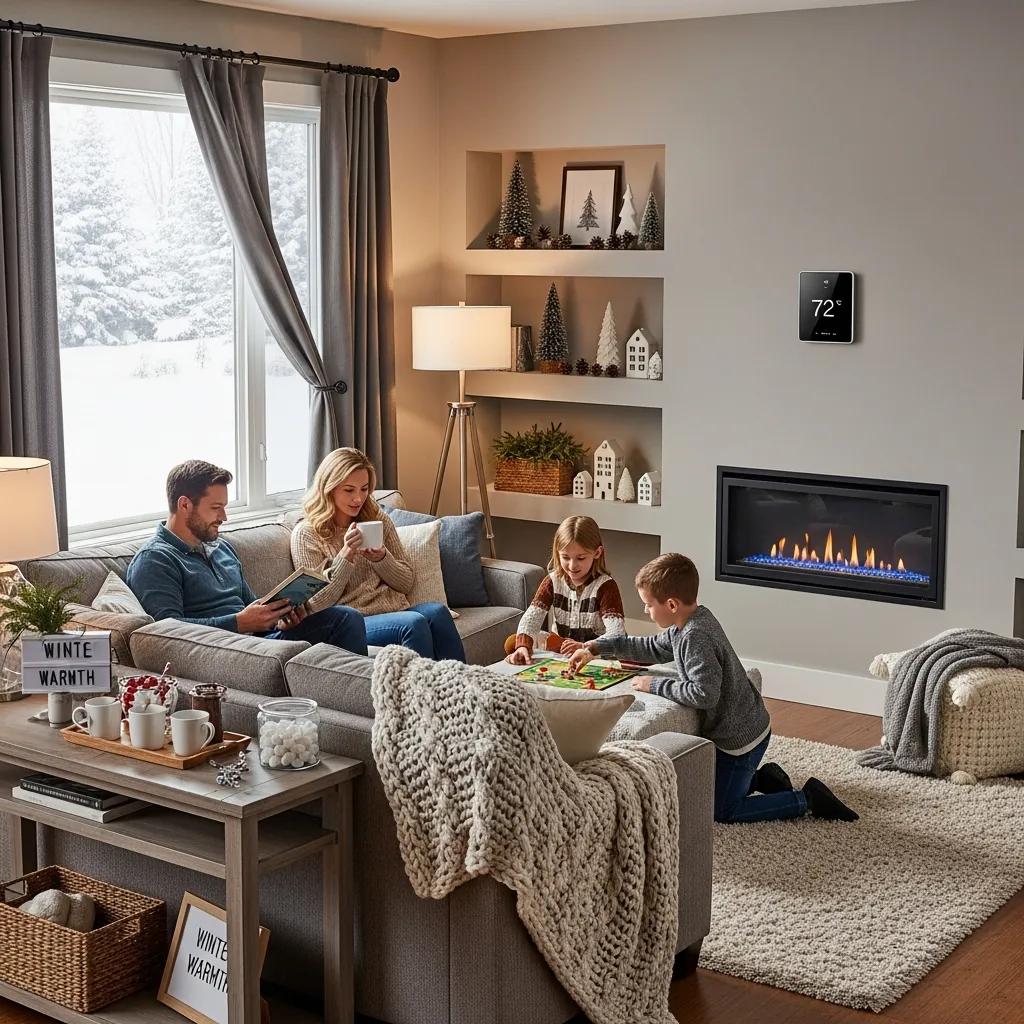
How to Slash Your Winter Heating Bills with Energy-Saving Tips
Heating bills can spike quickly during an Ohio winter, especially here in Miami County. This guide gives clear, practical steps you can use to cut energy use without giving up comfort. You’ll find easy DIY fixes, why regular furnace care matters, how sealing and insulation work together, and which equipment upgrades usually pay off. We also walk through how to read your heating bill, when a home energy audit makes sense, and how a maintenance plan can lock in long-term savings for homes in Piqua, Sidney, Troy and nearby towns. Tips on thermostats, duct sealing, ENERGY STAR equipment, and simple daily habits focus on measurable savings that fit our local climate.
What Are the Quick DIY Ways to Reduce Winter Heating Costs?
Small, low-cost steps can cut heat loss right away and trim your bills. These fixes reduce the amount of heated air you lose (air sealing, patching gaps), let your system run less (better thermostat schedules), and keep equipment working efficiently (filter care). Doing a few basic tasks often delivers immediate savings and reduces wear on your furnace — which helps avoid costly repairs later. Below are the best short-term actions and how thermostat changes and habits translate into real percent savings.
The following eight quick wins are prioritized for ease, cost, and measurable impact:
- Set your thermostat back 7–10°F for eight hours daily to reduce heating consumption substantially.
- Replace or clean furnace filters every 1–3 months to maintain airflow and system efficiency.
- Install weatherstripping or door sweeps on exterior doors to stop drafts at the most-used entry points.
- Seal obvious window gaps with removable draft stoppers or caulk small cracks around frames.
- Use heavy curtains or thermal window coverings at night to reduce conductive heat loss.
- Add area rugs on uninsulated floors to decrease perceived cold and permit lower thermostat settings.
- Reverse ceiling fans to push warm air down in occupied rooms during heating season.
- Close vents and doors in unused rooms to concentrate heat where it’s needed and avoid wasted conditioning.
These quick actions cut heat loss and lower demand immediately. They also make thermostat scheduling more effective — which is covered in the next section.
How Can Adjusting Your Thermostat Save on Heating Bills?
Lowering setpoints when you don’t need full heat reduces runtime, and automating those setbacks removes guesswork that wastes energy. Suggested winter settings balance comfort and savings: around 68°F when you’re home and active, 62–64°F while sleeping or away, with modest setbacks at night for occupied households. Programmable or smart thermostats make those changes automatic and typically save 5–12% on heating bills depending on behavior and system type. A simple weekday schedule: warm the house for morning routines, back down during daytime absence, then gently warm before evening — that reduces cycling and fuel use. Good thermostat habits also set you up for upgrades like zoning or a professional energy audit.
Which Simple Home Habits Help Cut Winter Heating Expenses?
Small habits add up. Close doors in unused rooms, keep doors open only when you need airflow, wear layers instead of overheating the whole house, and let daylight warm rooms while closing curtains at night. Check and swap filters regularly so the furnace doesn’t work harder than it needs to. These behavioral changes boost the effectiveness of mechanical improvements like insulation and sealing and make professional work more likely to deliver the savings you expect.
Prefer a professional look? Contact Burkett’s Heating & Cooling for a no‑obligation home energy check. A short inspection finds hidden air leaks, checks thermostat compatibility, and recommends the most cost-effective next steps for Miami County homes. If you’d like help turning quick DIY wins into a coordinated plan, our local team can make the process straightforward and pressure-free.
Why Is Furnace Maintenance Essential for Winter Heating Savings?
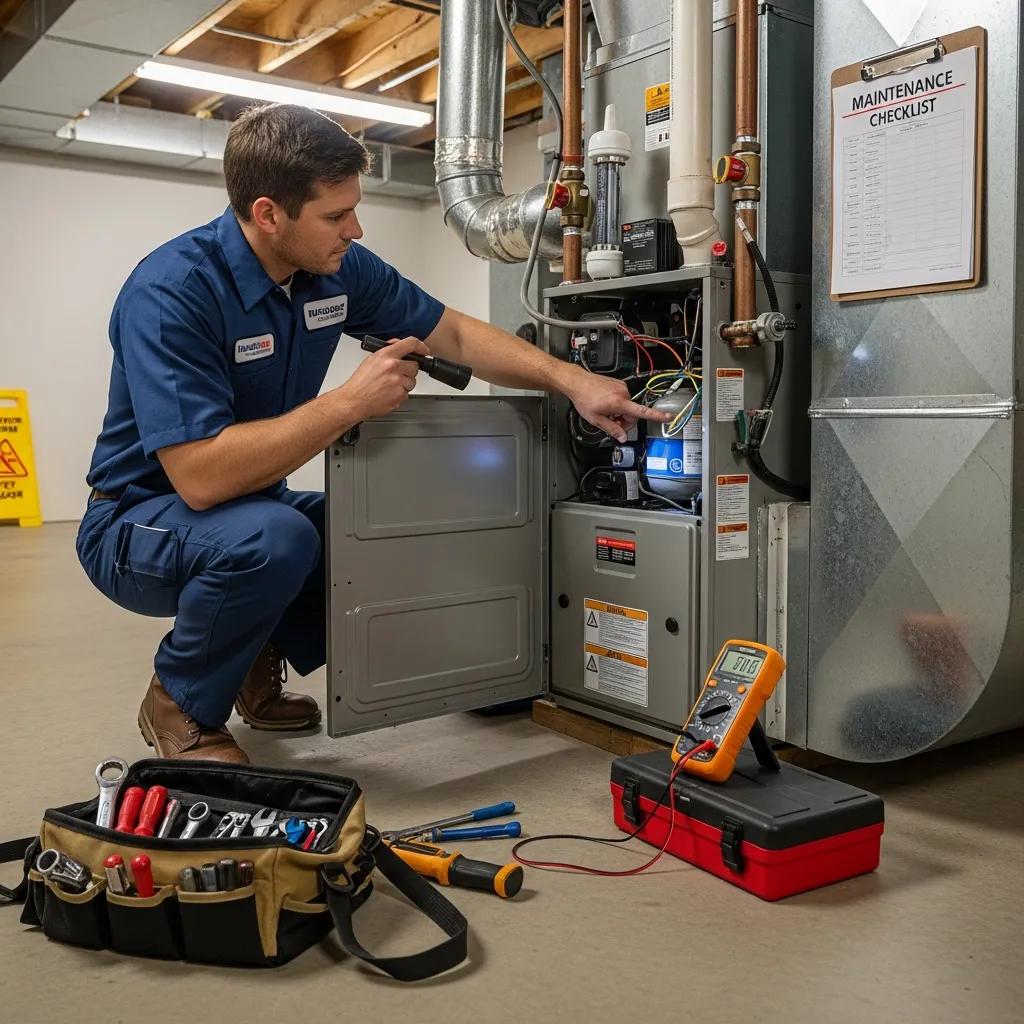
Regular furnace maintenance keeps combustion and airflow systems running correctly, which reduces wasted fuel and extends equipment life. A professional tune-up includes calibration, heat-exchanger inspection, burner cleaning, filter checks, and safety tests — tasks that restore lost efficiency from dirt, wear, or incorrect settings. The benefits include lower annual energy use, fewer emergency breakdowns on cold days, and improved indoor safety and air quality. Those factors reduce lifecycle cost beyond the immediate savings on your bill. The table below summarizes common maintenance tasks and their typical benefits, followed by more detail in the sections after it.
| Task | Frequency | Typical Benefit |
|---|---|---|
| Filter inspection/replacement | Every 1–3 months | Restores airflow; reduces energy use by up to 5–15% |
| Burner and heat exchanger cleaning | Annually | Improves combustion efficiency and safety; prevents CO risks |
| Blower motor inspection and lubrication | Annually | Ensures proper airflow and reduces electrical waste |
| Thermostat calibration | At tune-up | Prevents overshoot; improves setpoint accuracy |
| Safety controls and combustion testing | Annually | Protects occupants and prevents inefficient operation |
How Does Professional Furnace Repair Prevent High Heating Bills?
Professional repair targets faults that quietly raise your bills — clogged burners, worn igniters, failing motors, and the like. Technicians use combustion analysis, airflow measurements, and electrical checks to find the root cause instead of applying temporary fixes. Fixing problems early — replacing a failing blower motor or correcting a fuel‑air imbalance — restores rated efficiency and prevents compounding losses. Watch for warning signs like uneven heat, rising fuel use, strange noises, or frequent cycling; those are good reasons to call a pro. Quick repairs protect your equipment’s value and the long-term savings that come with a well-maintained system.
How Does Draft Proofing and Air Sealing Lower Your Heating Costs?
Draft proofing and air sealing cut the amount of heated air leaking outside, which shortens the time your heating system needs to run. The idea is simple: seal gaps, reduce uncontrolled air exchange, and you limit conduction and convective losses through the building envelope. That makes rooms feel warmer and lets you run the thermostat less. Focus on high‑leakage areas like window and door perimeters, utility penetrations, attic hatches, and duct connections. Below we compare sealing materials and approaches so you can pick the right method, then explain how insulation complements sealing.
| Sealing Approach | Best Use Area | Effectiveness / DIY vs Professional |
|---|---|---|
| Caulk | Small cracks at trim and window frames | High for hairline gaps; DIY-friendly |
| Weatherstripping | Moving joints like doors and operable windows | Very effective for repeated use; DIY-friendly |
| Low-expansion spray foam | Larger gaps and irregular penetrations | High effectiveness; DIY for small jobs, professional for structural gaps |
| Outlet and switch sealers | Interior electrical penetrations on exterior walls | Moderate effectiveness; simple DIY |
| Duct sealing (mastic or foil tape) | Duct boots and seams | High effectiveness; professional testing recommended |
What Are the Best Methods for Sealing Air Leaks in Your Home?
Start with a careful walk-through to find drafts — visual checks and a candle or smoke test work well. Put weatherstripping on doors and operable windows first, caulk gaps around fixed frames, and use foam sealant for larger voids around pipes and vents. With ducts, seal boot connections and seams using mastic or approved foil tape because leaky ducts can dump heat into unconditioned spaces and cost you a lot. For bigger projects, blower-door testing and duct diagnostics quantify leakage and reveal hidden problem areas — especially useful before making major envelope upgrades.
How Does Proper Insulation Complement Draft Proofing for Winter?
Insulation slows conductive heat flow through ceilings, walls, and floors, while air sealing stops the moving air that bypasses that insulation. Together they multiply savings. In older homes, attic insulation is usually the highest priority since attic heat loss is often the largest single winter source. Follow R‑value guidance for Miami County when adding insulation, and seal air leaks first so insulation performs as intended. When sealing and insulating are coordinated, homeowners usually see faster and larger returns than doing either measure alone.
What Energy Efficient Heating System Upgrades Save You Money?
Upgrading to high‑efficiency equipment and smarter controls lowers the fuel needed for the same heat and can pay back faster in a well-sealed, insulated home. ENERGY STAR furnaces and modern heat pumps use better components and controls that raise AFUE or HSPF/COP, cutting annual heating costs versus older gear. Smart thermostats and zoning focus heat where people are, reducing wasted runtime. The table below compares common options on efficiency, lifespan, and likely annual savings to help you prioritize investments.
| System Type | Key Efficiency Metric | Typical Lifespan | Typical Annual Savings vs older systems |
|---|---|---|---|
| ENERGY STAR furnace | AFUE ≥ 95% | 15–20 years | 10–30% depending on baseline |
| Air-source heat pump | HSPF / COP varies | 10–20 years | 20–50% in milder heating loads or with dual-fuel |
| High-efficiency boiler | AFUE ≥ 90% | 15–25 years | 10–30% for hydronic systems |
| Smart thermostat upgrade | N/A (control device) | 7–10 years | 5–12% from optimized scheduling |
How Do ENERGY STAR Furnaces and Heat Pumps Reduce Heating Bills?
ENERGY STAR furnaces and modern heat pumps use improved components and controls to deliver heat closer to their rated efficiency. AFUE shows the fuel-to-heat conversion for furnaces — higher AFUE means less fuel for the same heat — while HSPF and COP describe heat pump performance. Moving from an old 70–80% AFUE furnace to a 95%+ model can cut fuel use substantially, especially in a tightened-up home. Heat pumps are another effective option where they match the home’s heating needs, often giving higher overall efficiency. Our team at Burkett’s Heating & Cooling can assess your home and recommend whether an ENERGY STAR furnace, a heat pump, or a hybrid setup fits best, using local experience to estimate savings without guesswork.
How Can Burkett’s Heating & Cooling Maintenance Plans Maximize Your Savings?
Our maintenance plans are built to keep systems running efficiently, speed up service when you need it, and make costs more predictable for Miami County homeowners. Plans usually bundle seasonal tune‑ups, safety inspections, filter reminders, priority scheduling and discounts on repairs — all designed to reduce emergency costs and sustain performance. Catching small faults early prevents efficiency loss and delays expensive replacements. Below we outline common plan features and how steady enrollment compounds savings over time.
A typical maintenance plan includes the following value components:
- Seasonal tune-ups and cleaning to restore rated efficiency and prevent downtime.
- Priority scheduling for urgent repairs to minimize cold-weather discomfort.
- Reminders for filter changes and seasonal checks that keep systems operating efficiently.
- Discounts on parts and labor that reduce lifecycle repair costs.
What Does a Comprehensive HVAC Maintenance Plan Include?
A full plan usually schedules two seasonal tune-ups (heating and cooling), performs safety and combustion testing, inspects ductwork and airflow when appropriate, and provides priority service during peak demand. You’ll get documentation of completed tasks and recommended next steps so you can track system health. Filter reminders or replacement services prevent the efficiency loss that dirty filters cause, and bundled discounts make repairs more affordable. These repeatable services preserve efficiency and make long‑term ownership easier to budget for.
How Do Maintenance Plans Provide Long-Term Heating Bill Reductions?
Routine maintenance compounds savings because it prevents the gradual efficiency losses that raise fuel use year after year. A maintained system usually runs within a few percentage points of its rated efficiency, while a neglected system can fall behind by the low‑to‑mid tens of percent from dirt, wear, and miscalibration. Over several years, that gap adds up to meaningful extra cost and earlier replacement. Predictable service and fewer emergency repairs also smooth out household energy spending, making bills easier to plan for.
How Can Understanding Your Heating Bill Help You Control Winter Costs?
Reading your heating bill helps you see what drives costs and which fixes will pay off fastest. Bills reflect consumption, system efficiency, weather and rate structure. Key drivers include outdoor temperature (degree days), thermostat setpoints and schedules, equipment age and maintenance, insulation and air leakage, and household occupancy. Tracking month‑to‑month usage and comparing degree‑day‑adjusted consumption highlights anomalies that point to inefficiency or control problems. The checklist and audit notes below show how to turn your bill into a prioritized action plan.
What Factors Drive Seasonal Fluctuations in Heating Expenses?
Weather (degree days) is the main reason bills change seasonally, but habits, equipment condition, and the building envelope amplify those swings. Two similar houses can have very different bills if one has better insulation or different thermostat routines. Occupancy and daily choices — higher setpoints, constant fans, etc. — also change usage. Comparing weather‑normalized consumption to expectations helps homeowners and pros decide whether repairs, sealing or upgrades will pay back.
How Can a Home Energy Audit Identify Savings Opportunities?
A home energy audit uses diagnostics — blower‑door tests for envelope leakage, infrared scans for insulation gaps, duct leakage testing and combustion analysis — to quantify where energy is lost and which fixes give the best return. An audit delivers a prioritized list of recommendations, estimated savings and cost ranges so you can tackle the highest‑impact work first. Many homeowners pair low‑cost DIY fixes with targeted professional work (air sealing, duct sealing, insulation or equipment upgrades) to maximize savings. Burkett’s Heating & Cooling can help interpret audit results and implement the prioritized improvements locally, guiding you from findings to measurable bill reductions.
- Audit delivers prioritized recommendations and estimated savings.
- DIY fixes address immediate, low-cost opportunities first.
- Professional interventions implement high-impact measures for durable savings.
Following these steps turns bill analysis into a clear plan that lowers heating costs and improves comfort through the season.
Conclusion
Energy‑efficient heating choices — from quick DIY fixes to professional tune‑ups and targeted upgrades — can lower your winter bills and make your home more comfortable. Start with simple changes, keep your furnace maintained, and use audits or our team’s advice to prioritize bigger investments. Understanding your bill and taking informed steps puts you back in control of energy costs. When you’re ready, our experts are here to help you plan and take action.