

Winter HVAC Maintenance Tips: Your Practical Guide to Ready Your Heating System for Winter
Preparing your heating system for winter helps it run safely, efficiently, and reliably through cold stretches in Miami County and nearby towns like Piqua, Sidney, and Troy. This guide walks through what winter HVAC maintenance looks like, why it matters for local homeowners, and how routine DIY steps plus professional tune-ups cut energy use, prevent mid-season breakdowns, and reduce safety risks like carbon monoxide exposure. You’ll find clear guidance on filter frequency and filter types that work well in winter, practical DIY checks, and straightforward signs that mean it’s time to call a pro. The article also explains the real benefits of a professional furnace maintenance and gives step-by-step winterization tips suited to Miami County’s freeze–thaw cycles. Expect safety-first advice, printable-style checklists, three comparison tables for quick choices, and concise lists aimed at featured-snippet answers. By the end you’ll have a prioritized winter HVAC checklist and next steps for scheduling service or joining a local maintenance plan.
Why Is Winter HVAC Maintenance Important for Miami County Homes?
Winter HVAC maintenance is a seasonal set of checks and simple tasks that keep furnaces, heat pumps, ducts, and controls working safely and efficiently through cold weather. Proper maintenance addresses normal wear, clears airflow restrictions, and corrects combustion settings so your system delivers steady heat while using less energy. In Miami County, temperature swings and freeze–thaw cycles put extra stress on equipment and increase the chance of moisture-related problems—so timely maintenance pays off. Regular care also cuts the chance of emergency calls and extends equipment life, lowering repair and replacement costs over time.
Cleaner filters, tuned burners, and calibrated controls all help your system run more efficiently and trim fuel and electric bills. The next section outlines specific efficiency gains from routine furnace work and how they show up on your energy bill.
How Does Regular Furnace Maintenance Improve Heating Efficiency?
Routine furnace maintenance boosts efficiency by restoring proper airflow, improving combustion, and making sure controls run as intended. A clean or new filter cuts resistance so the blower uses less energy; a clean heat exchanger transfers heat more effectively than a dirty one. Technicians fine-tune burners and calibrate thermostats so combustion is complete and setpoints match actual room temperatures—this reduces wasted fuel. The result is steadier heat, smoother on/off cycles, and lower utility costs.
Those efficiency gains also lower stress on parts, which reduces unexpected failures. Knowing how each task helps makes it easier to prioritize the maintenance steps that give the biggest returns in winter.
What Are the Safety Benefits of Winter HVAC Care?
Winter HVAC care cuts safety risks by finding and fixing issues that can lead to carbon monoxide (CO) leaks, fires, or electrical failures. Inspections check the heat exchanger for cracks, verify venting and flue paths are clear, and ensure burners and ignition parts operate cleanly to avoid incomplete combustion. Electrical checks reduce the chance of shorts or overheating in control circuits, and keeping the furnace area clean prevents lint or debris from becoming ignition sources. Working CO and smoke detectors add an extra layer of protection by alerting you if something goes wrong. These safety checks protect your household and clarify when professional evaluation is needed.
How Often Should You Change Your Furnace Filter in Winter?
Changing your furnacefilter during winter is an easy task that preserves airflow, indoor air quality, and heating efficiency. Inspect filters monthly and plan to replace them every 1–3 months depending on household needs—heavy use, pets, and allergies mean more frequent changes. A clogged filter restricts airflow, forces the system to work harder, raises energy use, and accelerates wear. A quick visual check—looking for dark discoloration or heavy dust—will tell you when it’s time to swap filters.
Use the table below to choose the right filter type and replacement cadence for common household situations.
Different filter styles work better depending on your winter priorities and airflow needs.
| Filter Type | Typical MERV Rating | Recommended Replacement Frequency / Pros & Cons |
|---|---|---|
| Fiberglass panel | MERV 1–4 | Replace every month; very affordable with low airflow resistance, but limited particle capture. |
| Pleated synthetic | MERV 6–11 | Replace every 1–3 months; good balance of filtration and airflow for most homes—effective against dust and pet dander. |
| HEPA-style (in-duct or standalone) | MERV 13+ | Replace every 1–3 months; excellent for allergy control but can restrict airflow if the system isn’t rated for high-MERV filters. |
What Are the Best Furnace Filter Types and MERV Ratings for Winter?
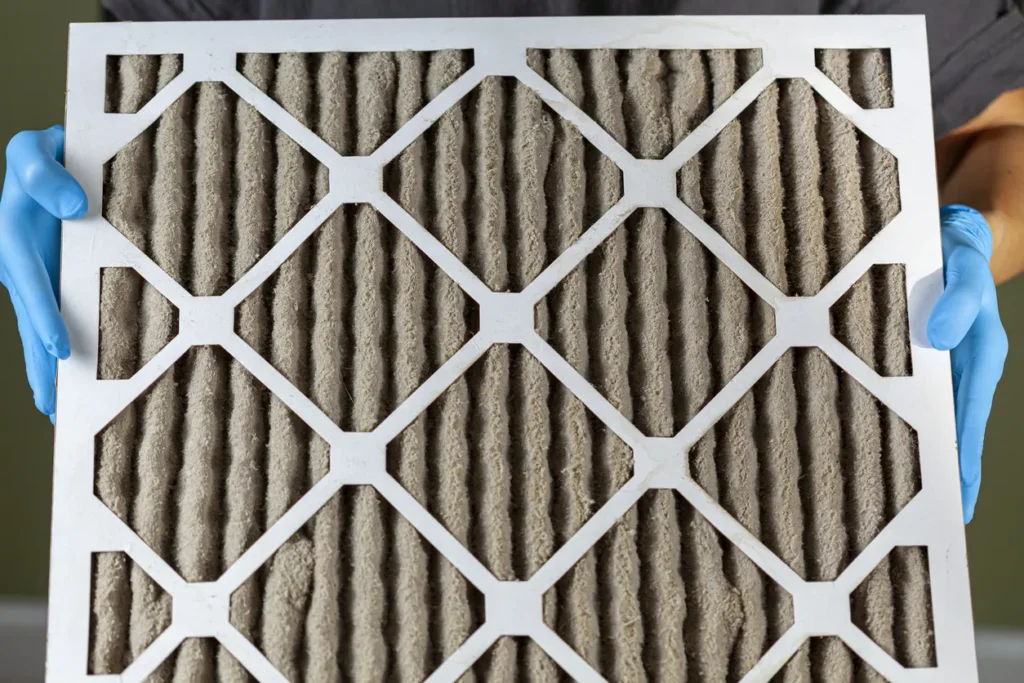
Picking a winter filter means balancing particle removal with enough airflow for your furnace. Pleated synthetic filters in the MERV 6–11 range are a common, practical choice—they trap household dust, pet dander, and pollen without overly restricting airflow. If someone in the home has severe allergies or a weakened immune system, higher-MERV filters or HEPA options can help, but they may stress the blower unless the system is designed for them. Fiberglass panel filters (MERV 1–4) are inexpensive and easy on airflow but don’t do much for indoor air quality.
What Is the Step-by-Step Process to Replace Your Furnace Filter?
Replacing a furnacefilter is a short, safe task most homeowners can do with minimal tools. First, turn off the furnace at the thermostat and the service switch or breaker to keep moving parts from starting. Next, pull out the old filter and note the airflow-direction arrow while you inspect for heavy dust or damage. Insert the new filter the same way, making sure it fits snugly so air doesn’t bypass the edges. Restore power, confirm normal airflow and cycling, and write down the replacement date so you know when to check again.
Regular filter checks prevent efficiency loss and help your system last longer.
What Are the Top DIY Winter HVAC Maintenance Tasks for Homeowners?
Top DIY winter HVAC tasks are simple steps that improve performance and cut the odds of emergency repairs. These include checking and replacing filters, clearing vents and registers, visually inspecting the furnace area for debris, and setting the thermostat for energy savings. Doing these tasks monthly or seasonally keeps the system running smoothly and reduces strain on parts technicians will inspect during tune-ups. Start with the easy jobs and call a pro if you notice combustion smells, strange noises, or safety concerns.
Use the short checklist below to focus on the most helpful DIY tasks that are safe and effective.
These key DIY steps yield real gains in airflow, comfort, and operating cost.
- Check and replace air filters monthly to maintain airflow and efficiency.
- Clear vents and registers of dust and remove furniture blocks.
- Inspect the furnace area and keep flammable items cleared per the manual.
- Program the thermostat with setback schedules to save energy without losing comfort.
Routine DIY care reduces preventable strain on heating systems and helps technicians diagnose problems faster when professional service is needed.
How Do You Clear Vents and Registers for Optimal Airflow?
Clearing vents and registers is a quick but often-overlooked step that helps heated air reach rooms efficiently. Move furniture and rugs away from vents, then vacuum register grilles with a brush attachment to remove surface dust. For a deeper clean, unscrew the registers and clean the grille and visible duct opening; if you find large debris or signs of pests, consider professional duct cleaning. If a room stays cold, check for closed dampers or imbalanced airflow—those can point to duct leaks or restrictions that need a pro’s attention.
Proper vent care reduces cold spots and shortens run times, which improves comfort and efficiency—then you can optimize thermostat settings for even more savings.
How Should You Adjust Thermostat Settings for Winter Energy Savings?
Setting your thermostat for winter is about balancing comfort and savings. Small setbacks reduce energy use without noticeable discomfort. The Department of Energy recommends lowering the thermostat when you sleep or are away and raising it when you’re active at home; programmable and smart thermostats make this easy. A typical approach is to set a comfortable daytime temperature and lower it about 7–10°F during long absences or overnight to see real savings. Also, place the thermostat away from heat sources or drafts so it reads room temperature accurately.
Using a modest setback schedule and a programmable thermostat delivers measurable savings while keeping comfort steady—and it works hand-in-hand with good filter and vent maintenance.
What Are the Benefits of a Professional Winter Furnace Tune-Up?
A professional furnace tune-up goes deeper than DIY tasks to deliver a full safety and performance check—catching small issues before they cause a failure. Technicians clean burners, test combustion, inspect the heat exchanger for cracks, and verify electrical connections and controls. Those steps restore factory-level performance, improve reliability, and often reduce fuel or electrical use. A written service record also helps with warranty coverage. Investing in a tune-up lowers the risk of mid-winter breakdowns and gives homeowners peace of mind about system safety.
| Service Item | What’s Checked | Benefit |
|---|---|---|
| Heat exchanger inspection | Visual and pressure checks for cracks or corrosion | Helps prevent carbon monoxide leaks and major failures |
| Combustion analysis / CO check | Measure combustion efficiency and CO levels | Confirms safe combustion and reduces wasted fuel |
| Electrical and control inspection | Tighten connections and test safety switches | Reduces fire risk and avoids unexpected control failures |
| Airflow and filter check | Verify blower operation and replace the filter as needed | Restores proper airflow and improves efficiency |
What Does a Comprehensive HVAC Winter Inspection Include?
A full winter inspection covers visual, functional, and diagnostic checks of all major heating components and safety systems. Technicians examine burners, ignition systems, flues, and the heat exchanger; they run combustion tests and measure carbon monoxide to confirm safe operation. Electrical checks include torque and component testing to avoid shorts and overheating, and airflow and control calibration make sure the system cycles correctly. Inspections end with a clear summary of findings and recommended repairs or cleaning to restore efficiency and safety.
These diagnostics reveal issues homeowners can’t see and establish a baseline for regular maintenance plans.
How Can Burkett’s Maintenance Plans Help Prevent Costly Breakdowns?
Burkett’s Heating & Cooling maintenance plans put scheduled professional care on your calendar so minor issues are caught before they become expensive repairs. Members get priority seasonal tune-ups, written inspection reports, and faster service response—actions that reduce downtime during Miami County’s cold months and help equipment last longer. Plans also make budgeting easier and often include repair discounts, lowering long-term ownership costs. To arrange service or learn plan details, call Burkett’s Heating & Cooling at (937) 773-8350 or request details through their service channels.
Maintenance plans work with your DIY efforts by adding expert inspections and timely fixes that keep emergencies to a minimum.
How Can You Winterize Your HVAC System for Miami County Winters?
Winterizing your HVAC system means taking seasonal steps to protect outdoor components, seal weak spots in the home, and prepare equipment for sustained low temperatures. Winterization helps prevent freeze damage to exposed pipes and condensate lines, keeps debris from blocking outdoor units during thaws, and improves indoor heat retention through draft sealing. In Miami County, repeated freezes and thaws can move water and create ice around outdoor equipment, so targeted protection matters. Effective winterization combines simple homeowner tasks with occasional pro services when conditions or equipment need it.
The table below lists practical winterization steps, the tools or skills required, and the expected outcomes.
This quick reference helps you decide what to do yourself and what to leave to a technician.
| Winterization Step | Tools / Skills Needed | Expected Outcome / Frequency |
|---|---|---|
| Protect outdoor unit | Soft brush, ladder, light cover; basic debris removal | Prevents debris buildup and ice traps; inspect before winter and after storms |
| Seal drafts and weatherstrip | Caulk gun, weatherstripping, basic handyman skills | Reduces heat loss and system runtime; do annually before cold weather |
| Insulate pipes and drains | Foam insulation, plumber’s tape; basic DIY skills | Prevents freezing of condensate lines and exposed piping; check yearly |
What Steps Should You Take to Protect Your Outdoor AC Unit in Winter?
Protecting the outdoor AC or condenser in winter means clearing the area, keeping drainage working, and using protection that won’t trap moisture. Remove leaves, branches, and stored items around the unit to keep airflow clear and avoid ice traps. Use a breathable cover that shields the top but lets moisture escape—do not fully seal the unit, which can hold condensation and cause corrosion. If ice buildup is frequent, keep the surrounding area clear and ask a pro whether elevation or added drainage is necessary.
Knowing when to protect equipment and when to leave it exposed helps you decide if the task is a DIY job or needs a technician’s site-specific solution.
How Does Sealing Drafts and Improving Home Insulation Support Heating Efficiency?
Sealing drafts and improving insulation reduce the heat your HVAC system must replace by stopping uncontrolled heat loss through windows, doors, attic gaps, and ductwork. Weatherstripping doors and caulking window frames immediately cut cold air infiltration, while adding attic or wall insulation lowers conductive heat loss all season. Sealing ducts prevents conditioned air from escaping into crawlspaces or attics so more heat reaches living rooms. These measures often pay back quickly through lower fuel bills and shorter furnace run times.
Upgrading the building envelope multiplies the benefits of HVAC maintenance by reducing system strain and extending equipment life—improvements a technician can verify during an inspection.
What Safety Measures Should You Follow During Winter HVAC Maintenance?
Safety during winter HVAC maintenance means minimizing carbon monoxide risk, preventing fires, and observing electrical safety whether you’re doing DIY checks or supervising professional work. Always power down equipment before any hands-on tasks, keep the area around heating equipment free of flammable items, and maintain working CO and smoke detectors on every level. If you smell gas, see persistent soot, notice pilot light problems, or get elevated CO readings, stop DIY work and call a qualified technician right away. These precautions reduce exposure to hazardous conditions and provide clear triggers for professional help.
Here’s a short safety checklist of essential actions.
- Power Off Before Maintenance: Always disconnect power before servicing equipment.
- Maintain Detectors: Test CO and smoke alarms monthly and replace batteries as needed.
- Clear Combustibles: Keep flammable items away from furnaces and other heat sources.
Why Are Carbon Monoxide Detectors Essential for Furnace Operation?
Carbon monoxide detectors are essential because incomplete combustion from a cracked heat exchanger, blocked venting, or faulty burners can release CO—a colorless, odorless gas that can be deadly. Install CO detectors on each level and near sleeping areas, and follow the manufacturer’s placement and testing guidance. Test detectors regularly and replace units per the manufacturer’s schedule. If a CO alarm sounds, evacuate immediately and get a professional evaluation before re-entering.
Detector upkeep and correct placement are the last safety line after mechanical inspections, ensuring occupants get an early warning if combustion problems arise.
How Can You Prevent Heating Equipment Fires in Winter?
Prevent heating equipment fires by keeping the furnace area clear of flammable materials, removing lint and debris, and scheduling electrical inspections when you notice burning smells or intermittent operation. Don’t store paints, solvents, or paper near equipment, and keep recommended clearances around the unit. Regular electrical checks spot loose connections or worn wiring before they overheat. If you detect odd odors, visible soot, or repeated breaker trips, stop DIY work and call a technician for a safety inspection.
Following these steps lowers fire risk and pairs with professional maintenance that finds hidden ignition hazards.
If you’re ready to schedule professional maintenance, enroll in a maintenance plan, or request heating service and repair, Burkett’s Heating & Cooling offers local expertise and priority response for Miami County residents. Burkett’s serves as a local resource for service options and maintenance-plan enrollment to keep systems safe all winter. To schedule a furnace tune-up or learn about plans, call Burkett’s Heating & Cooling at (937) 773-8350 or use their service contact channels for estimates and details.
That local support, combined with the DIY steps in this guide, helps ensure safer, more efficient winter heating services for Miami County homes.
Conclusion
Getting your HVAC system ready for winter keeps your home safe, comfortable, and energy-efficient. Regular maintenance lowers the chance of costly breakdowns and reduces safety risks. Follow the practical tips in this guide to take proactive steps—and if you want expert help or a maintenance plan, contact Burkett’s Heating & Cooling to schedule service and protect your system through the season.